
Fed Governor Warns AI Could Create "Unemployable" Workforce in Jobless Boom Scenario
Federal Reserve Governor Michael S. Barr laid out three potential futures for artificial intelligence's impact on labor markets this week, including a "doomsday scenario" where aggressive AI growth renders large portions of the workforce "essentially unemployable" despite creating a vastly productive economy.
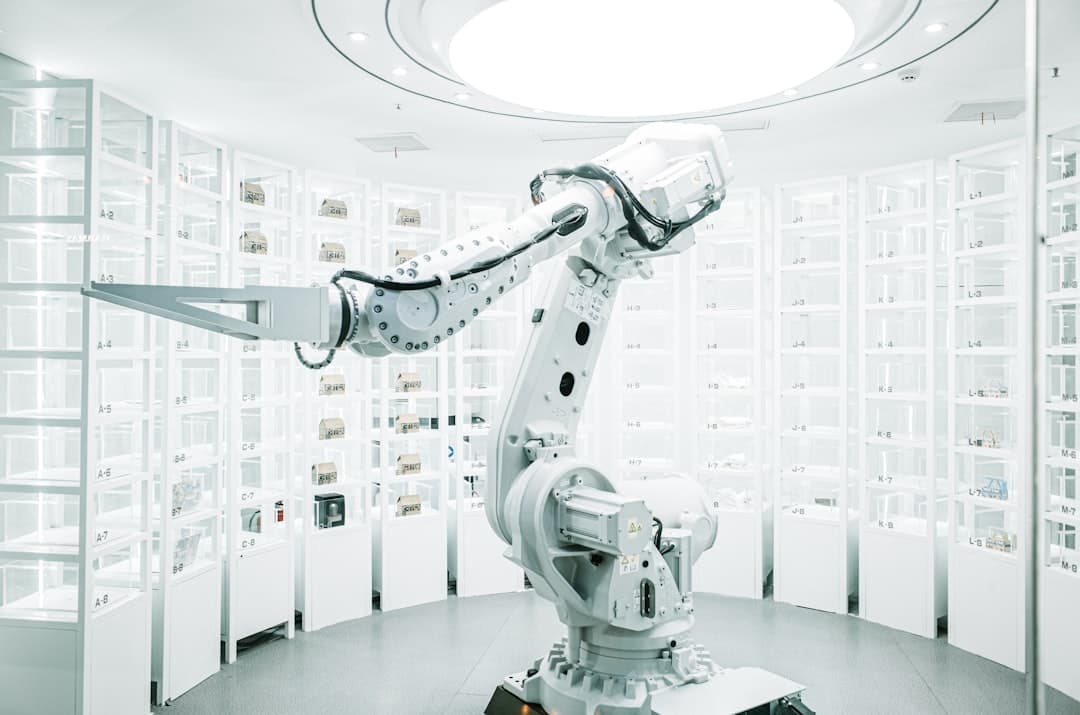
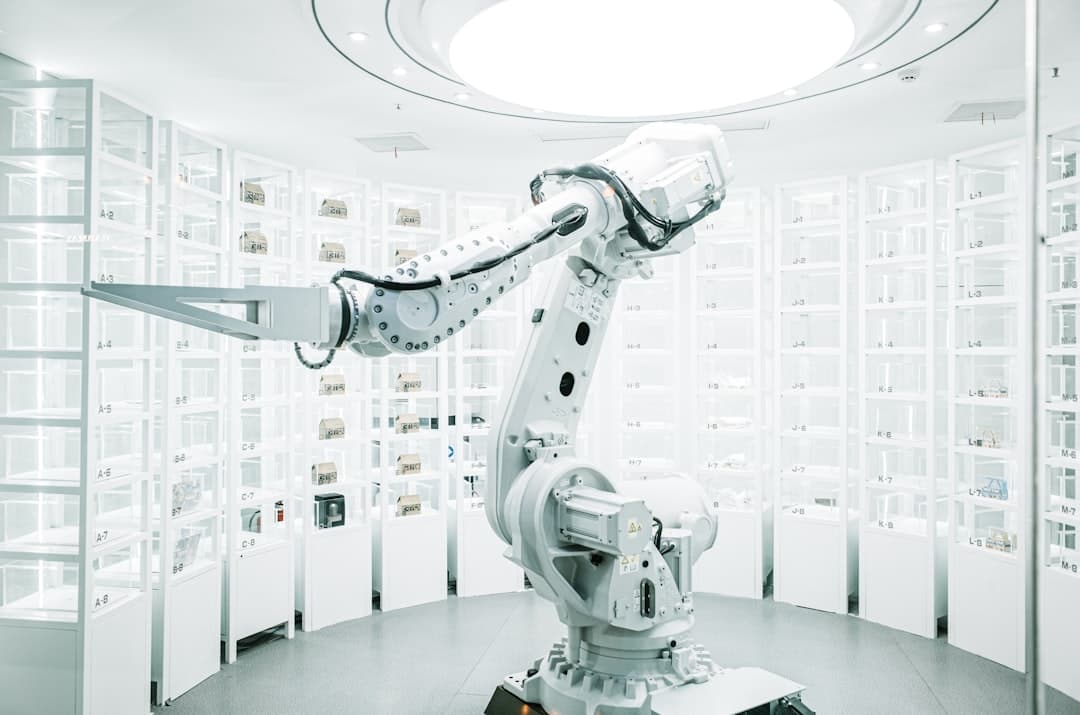
Speaking to the New York Association for Business Economics on February 17, Barr described generative AI as an all-purpose technology capable of reshaping employment in fundamentally different ways. His most alarming scenario—what he termed a "jobless boom"—envisions "agentic AI" systems achieving general goals with minimal human supervision, replacing professional and service roles while autonomous vehicles eliminate transportation jobs and unsupervised robotics deplete manufacturing's need for human workers.
The Fed governor's analysis comes as finance leaders grapple with how to model AI's economic impact in their own organizations. Barr's three scenarios offer a framework that moves beyond the binary "AI will steal all jobs" versus "AI will create new jobs" debate that has dominated boardroom discussions.
In the jobless boom scenario, Barr warned that widespread unemployment in the short term would give way to large declines in labor market participation over time unless "profound changes in education, training, and workforce development" materialize. The economy would be vastly productive, but demand for labor would crater—creating what Barr described as a painful adjustment period for affected workers.
"Society would have to rethink the social safety net to ensure that the gains from unprecedented economic growth are shared rather than concentrated among a small group of capital holders and AI superstars," Barr said, adding that both government and private sector would face extraordinary challenges managing the fallout.
The Fed governor suggested that in this scenario, workers would need to specialize in vocations AI cannot easily replicate—highly skilled trades, for instance—or pivot to industries where consumers place a premium on human interaction.
Barr also outlined a second scenario where the AI revolution hits a ceiling, resulting in economic stagnation or bust. (The source material cuts off before detailing his third, presumably more optimistic scenario.)
For CFOs and finance leaders, Barr's framework raises immediate questions about workforce planning, capital allocation between AI investments and human talent, and how to model productivity gains that may not translate into traditional job creation. His warning about gains concentrating among "a small group of capital holders and AI superstars" also suggests potential regulatory scrutiny of AI-driven profit margins.
The Fed governor's willingness to publicly game out such stark scenarios signals that central bankers are taking seriously the possibility that AI's economic impact could require fundamental rethinking of monetary policy, labor market analysis, and financial stability frameworks. For finance leaders building AI strategies, Barr's speech serves as a reminder that the technology's second-order effects on labor markets may prove more significant than its direct productivity benefits.

















Responses (0 )