
Hyundai Accelerates Robot and Autonomous Vehicle Push as Tesla Competition Intensifies
Hyundai Motor Group is ramping up its investments in robotics and self-driving technology, positioning itself as a late-stage challenger to Tesla's dominance in automotive AI and automation—a strategic shift that could reshape how automakers compete for the capital and talent needed to fund next-generation mobility.
The South Korean conglomerate's aggressive push into these capital-intensive sectors comes as traditional automakers face mounting pressure to justify their AI spending to investors increasingly skeptical of long development timelines and uncertain returns. For CFOs navigating this transition, Hyundai's approach represents a test case in whether latecomers can compete by leveraging manufacturing scale and vertical integration against first-movers like Tesla.
Hyundai has characterized itself as a "latecomer" in the race for autonomous vehicles and robotics, according to the Financial Times, acknowledging the ground it needs to make up against competitors who began these efforts years earlier. Tesla has long positioned its Full Self-Driving technology and humanoid robot projects as core to its valuation premium over traditional automakers, creating pressure on rivals to demonstrate comparable capabilities or risk being valued as legacy manufacturers rather than tech companies.
The timing of Hyundai's intensified focus is notable. As AI development costs surge across the automotive sector, finance chiefs are under pressure to articulate clear ROI frameworks for these investments. Unlike pure software plays, automotive AI requires simultaneous investment in hardware manufacturing, sensor technology, and real-world testing infrastructure—a capital allocation challenge that has strained balance sheets across the industry.
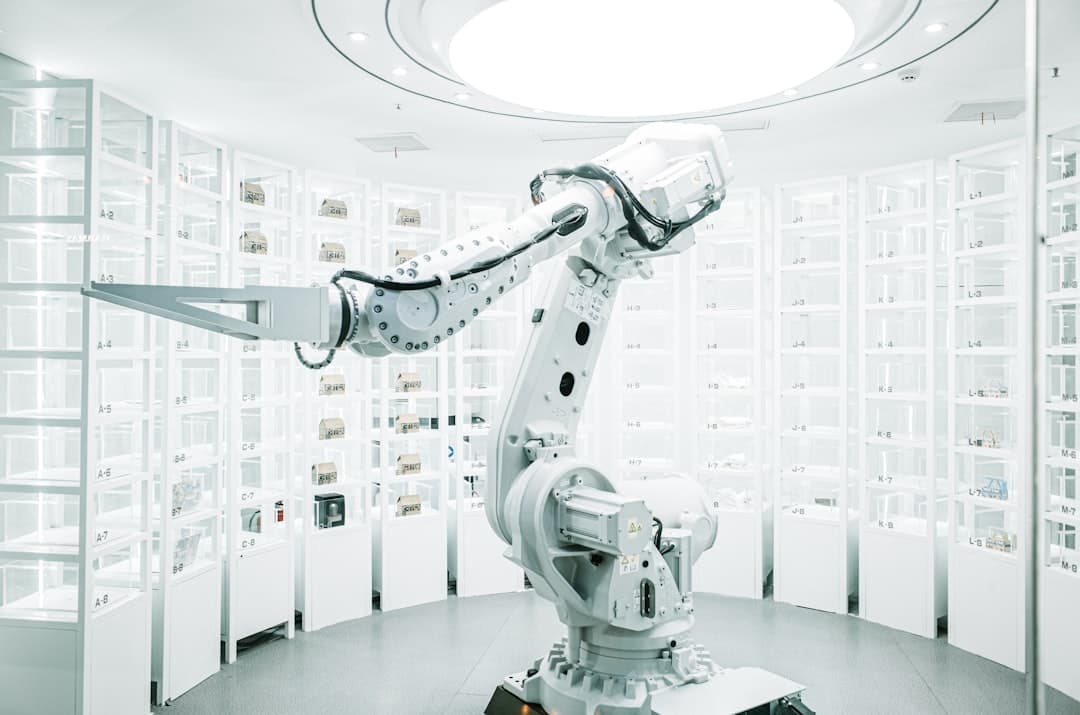
Hyundai's vertical integration through its ownership of Boston Dynamics, the robotics company known for its advanced humanoid and quadruped robots, gives it a potential advantage in hardware development that pure-play automakers lack. However, translating robotics expertise into commercially viable autonomous vehicles and manufacturing automation remains an open question, particularly as the timeline for regulatory approval of fully autonomous systems continues to extend.
The competitive dynamics are shifting rapidly. Tesla's recent stumbles in meeting autonomous driving timelines have created an opening for rivals, while the capital requirements for AI development have forced automakers to make binary choices about where to deploy resources. For Hyundai, racing to catch up means not just matching Tesla's technology but doing so while maintaining the profitability metrics that investors expect from established manufacturers.
The strategic question for finance leaders watching this space: whether Hyundai's late entry allows it to learn from competitors' mistakes and deploy capital more efficiently, or whether first-mover advantages in data collection and brand positioning have already created insurmountable moats. The answer will likely determine how the market values traditional automakers' AI ambitions for years to come.













Responses (0 )