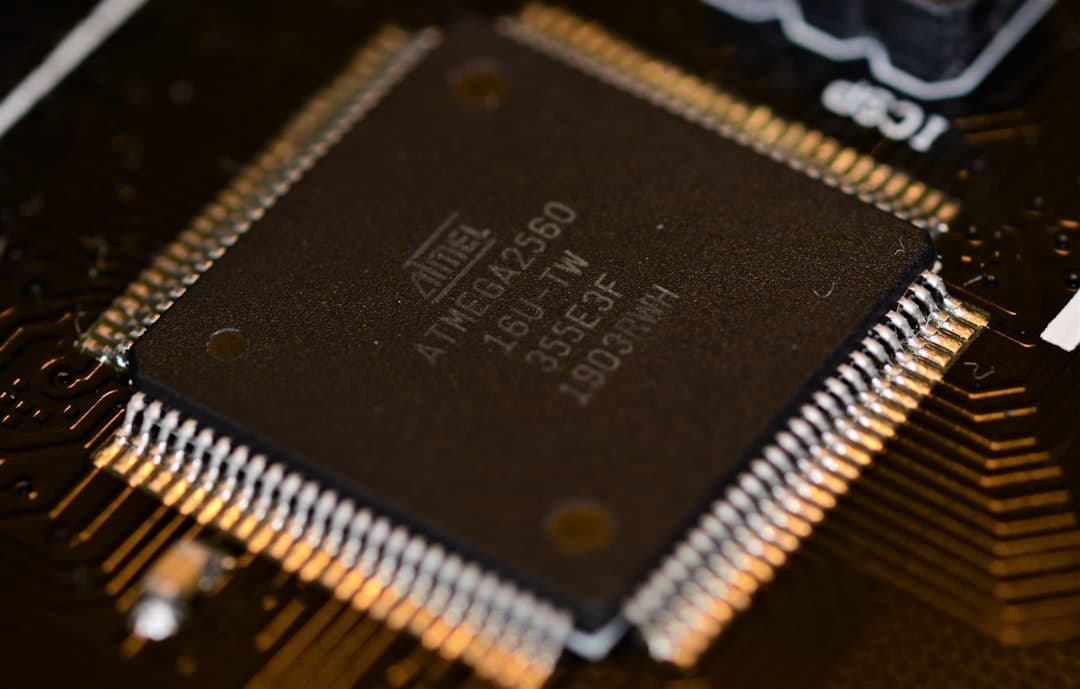
Memory Chip Makers Cash In While Device Manufacturers Face Margin Squeeze
The semiconductor industry's latest boom is creating an unusual split: memory chip suppliers are riding high on AI-driven demand while their traditional customers—PC and smartphone makers—find themselves squeezed by rising component costs and sluggish consumer demand.
For finance chiefs at device manufacturers, the dynamic presents a familiar but uncomfortable challenge: their largest cost input is surging just as their ability to pass those costs through to end customers weakens. It's the kind of margin compression that turns quarterly earnings calls awkward.
Here's what's happening. Memory chip makers—the companies producing DRAM and NAND flash that go into everything from laptops to data centers—have seen prices climb as AI infrastructure buildouts consume available supply. Data center operators building out GPU clusters need massive amounts of high-bandwidth memory, and they're willing to pay premium prices. That demand is soaking up production capacity that would otherwise flow to consumer electronics.
Meanwhile, PC and smartphone makers are staring at a different reality. Global PC shipments remain below pre-pandemic levels, and smartphone replacement cycles continue to lengthen. Consumers aren't rushing to upgrade devices that still work fine. But the bill of materials for those devices keeps climbing as memory prices rise.
The financial mechanics are straightforward but painful. A laptop manufacturer negotiating with Samsung or SK Hynix for memory chips has less leverage than a hyperscaler building an AI training cluster. The hyperscaler needs cutting-edge, high-bandwidth memory and will pay whatever it costs. The laptop maker needs commodity DRAM and is competing for scraps of production capacity.
This isn't the first time device makers have faced input cost inflation—semiconductor shortages during the pandemic created similar dynamics. But this cycle has a different character. The previous shortage was supply-constrained across the board. This time, supply exists but is being allocated to higher-margin customers. Memory chip makers are making rational business decisions, prioritizing orders from customers who pay more and order in volume.
For CFOs at PC and smartphone companies, the options are limited. Raising prices risks further dampening already soft consumer demand. Absorbing the cost increases means margin compression. Some are likely exploring longer-term supply agreements to lock in pricing, though that carries its own risks if memory prices eventually soften.
The broader question is how long this dynamic persists. If AI infrastructure spending continues at current levels, memory chip makers have little incentive to shift production back toward consumer electronics. But if AI capex moderates—or if memory suppliers add enough capacity to serve both markets—the pressure could ease.
What's clear is that the current environment favors companies with pricing power and diversified customer bases. Device manufacturers heavily exposed to consumer markets, with thin margins and limited ability to differentiate on performance, are feeling the squeeze most acutely. Their finance teams are likely running scenarios on how much margin compression they can absorb before needing to make harder choices about product mix, marketing spend, or workforce levels.
The memory chip boom is real. For some companies, it's just happening on the wrong side of the transaction.

















Responses (0 )