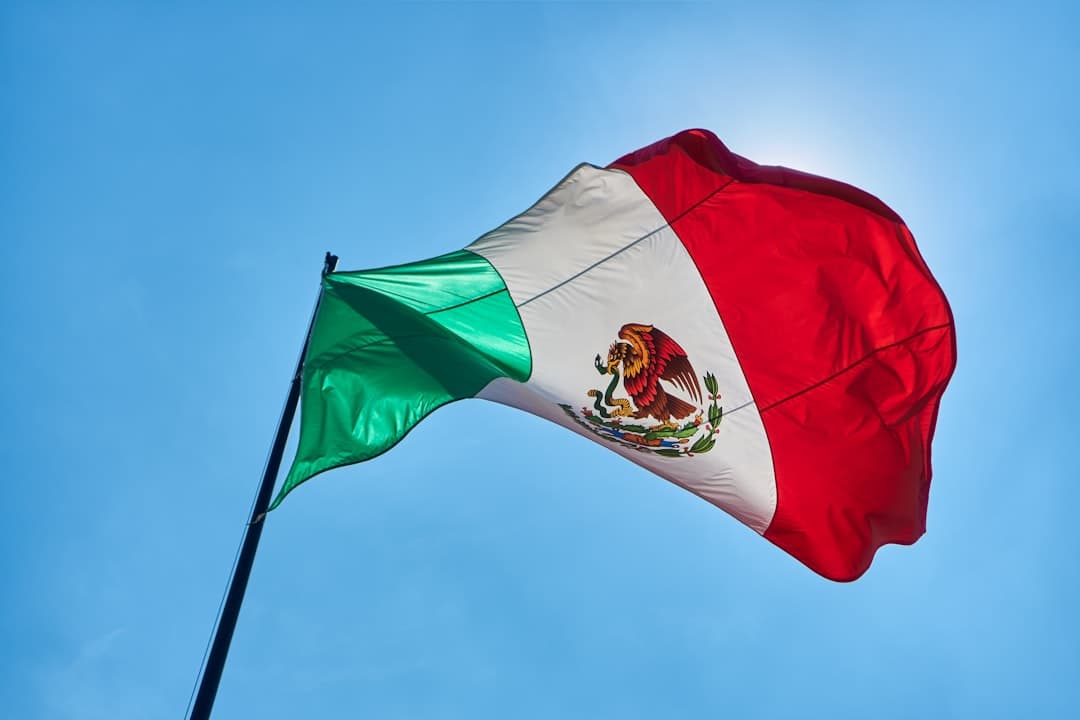
Mexico's Fintech Sector Shifts to Consolidation as 795 Players Face Maturity Test
Mexico's fintech ecosystem is entering a consolidation phase after years of rapid expansion, according to new industry data released during Mexico Fintech Week, signaling a fundamental shift in how the sector operates and competes.
The Finnovista Fintech Radar México 2026, published as thousands of founders, operators, investors, and regulators gathered in Mexico City this week, shows 795 local fintech companies now operating in the country, with 70% having been in business for more than five years. The report documents a 5% mortality rate across the sector, suggesting the market is beginning to separate sustainable businesses from those unable to achieve scale.
For finance leaders tracking Latin America's digital transformation, the data points to a maturing market where profitability and operational efficiency are replacing pure growth as the primary metrics of success. The shift has implications for how CFOs should evaluate fintech partnerships and assess the staying power of vendors in their technology stack.
Lending remains the most crowded vertical by number of players, reinforcing its central role in Mexico's financial system. However, the report identifies Technological Infrastructure for Banks & Fintechs as the segment showing the strongest strategic momentum, driven by what the researchers describe as an "AI-First shift" and the emergence of agent-based solutions.
Payments and remittances continues as what the report calls a "structural pillar" of the ecosystem, with researchers highlighting significant opportunities in acquiring and payment digitization heading into 2026. The sector's importance reflects Mexico's position as a major remittance corridor and its ongoing transition from cash-based transactions.
In contrast, Open Finance—the framework for sharing financial data between institutions—is losing ground. The report notes that regulatory uncertainty is forcing players in this segment to either pivot their business models or exit the market entirely, a development that could slow the adoption of data-sharing infrastructure that many finance leaders had anticipated would become standard.
The consolidation trend suggests Mexico's fintech market is following a familiar pattern seen in more mature ecosystems, where an initial explosion of startups gives way to a smaller number of scaled players with proven unit economics. For corporate finance teams, this means fewer but potentially more stable vendor relationships, though it also raises questions about reduced competition and innovation velocity.
The timing of the report's release during Mexico Fintech Week, an annual gathering that has become a key event for the Latin American financial technology community, underscores the industry's recognition that it has reached an inflection point. The event continues through the week, with sessions focused on regulatory frameworks, cross-border expansion, and the practical applications of artificial intelligence in financial services.
The 70% figure for companies operating beyond five years is particularly notable, as it suggests the ecosystem has moved past the high-mortality early stage that typically characterizes emerging technology sectors. However, the 5% mortality rate indicates the market is still actively sorting winners from losers, a process likely to accelerate as capital becomes more selective and customers consolidate around proven platforms.



















Responses (0 )