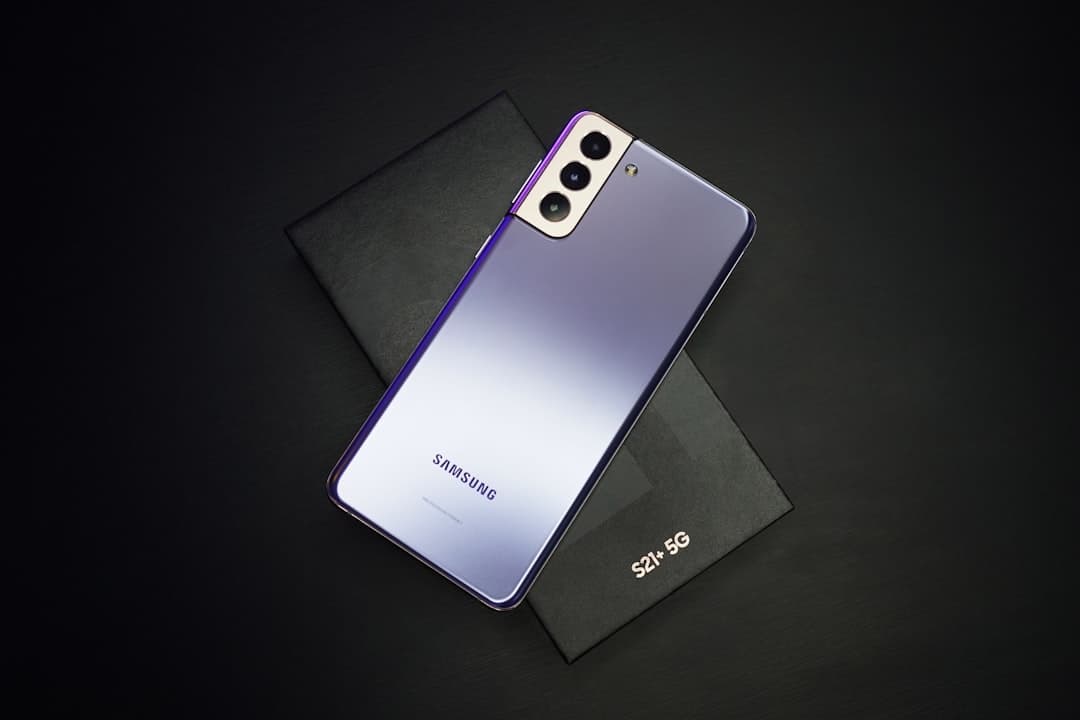
Samsung's S26 Previews Google-Apple AI Partnership as Siri Overhaul Faces Delays
Samsung Electronics unveiled its Galaxy S26 smartphone series on Wednesday, giving corporate finance leaders an early look at the multi-agent AI architecture that will soon power Apple's overhauled Siri—assuming Apple can resolve reported delays pushing some features to May or September.
The S26 marks the first time Google's Gemini AI can autonomously operate third-party applications like Uber on a user's behalf, a capability that matters less for consumer convenience than for what it signals about enterprise software integration. For CFOs evaluating AI investments, Samsung's device offers a working prototype of the "agentic" systems vendors have been promising: AI that doesn't just answer questions but actually completes tasks across multiple applications without human intervention.
The phone's architecture is revealing. Samsung isn't betting on a single AI system but instead melding three separate engines: Google's Gemini handles cross-app tasks like booking rides, Perplexity manages web-based queries, and an upgraded version of Samsung's own Bixby serves as the on-device assistant, now powered by a more capable in-house large language model. It's a multi-agent approach that reflects how fragmented the AI landscape remains even as vendors consolidate around a few dominant platforms.
The timing creates an awkward preview for Apple, which announced a Gemini-powered Siri overhaul in January but is now reportedly facing implementation delays. Apple's partnership with Google was supposed to bring similar agentic capabilities to iPhones, but the S26's Wednesday launch means Samsung and Google are first to market with a working version of technology Apple promised but hasn't delivered.
For finance leaders, the S26's real significance isn't the hardware—it's the operational model. The device demonstrates how enterprise software might actually work in an AI-native environment: multiple specialized agents handling different tasks, with a coordination layer managing handoffs between them. That's a fundamentally different architecture than today's single-vendor enterprise resource planning systems, and it has implications for how companies should be thinking about AI procurement.
The question everyone's going to ask tomorrow: if it takes three separate AI systems just to make a smartphone work properly, what does that mean for the "unified AI platform" your software vendor is trying to sell you? Samsung's answer appears to be that there is no unified platform—there's just better or worse orchestration of multiple specialized systems.
Apple's reported delays suggest the technical challenges are real. Building AI that can reliably act across applications without breaking things turns out to be harder than the demos suggested. CFOs evaluating AI investments should note which features actually shipped in February 2026 versus which ones are now tentatively scheduled for "May or September."


















Responses (0 )