
China's AI Push Threatens Jobs as Xi Prioritizes Automation Over Employment Stability
China's aggressive pursuit of artificial intelligence leadership is creating a policy collision with the country's deteriorating employment situation, raising questions about how Beijing will balance technological ambition against social stability.
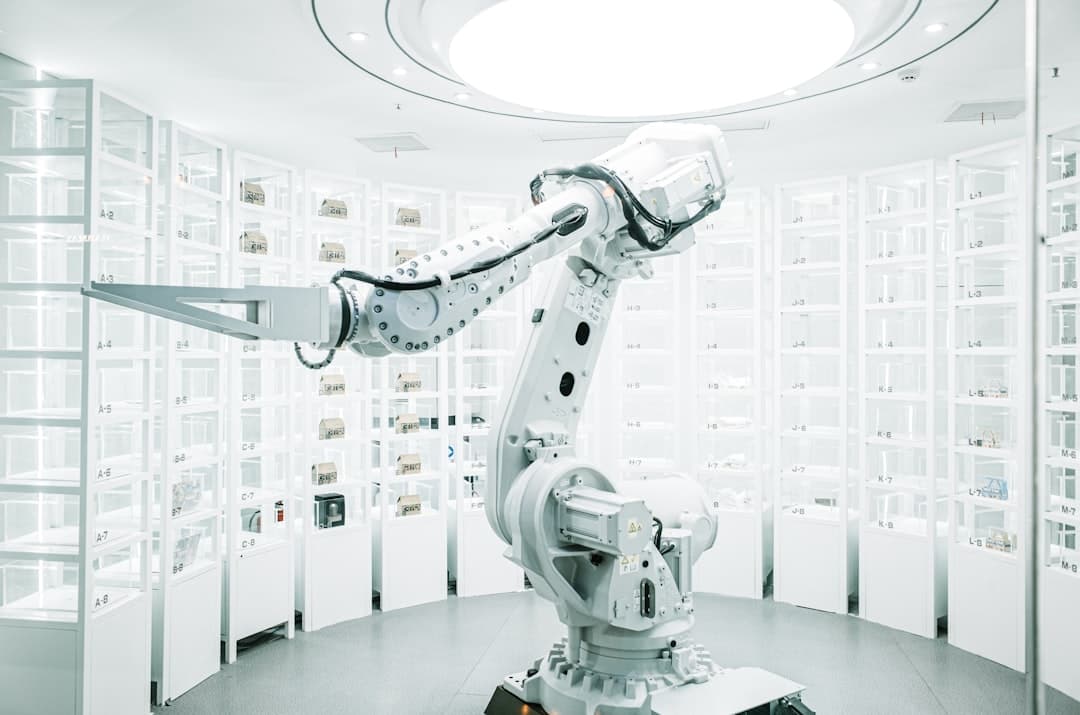
The tension comes as Chinese robotics companies like Unitree showcase advanced humanoid robots in Beijing showrooms while the country grapples with persistent unemployment challenges. For multinational CFOs with China operations, the conflict signals potential labor market disruptions and policy shifts that could reshape workforce planning across the world's second-largest economy.
President Xi Jinping has made AI dominance a cornerstone of China's technological strategy, positioning automation and robotics as critical to maintaining economic competitiveness. But that push is colliding with a fragile employment market that has struggled to absorb workers, particularly young graduates facing limited job prospects. The contradiction—investing heavily in labor-replacing technology while unemployment remains elevated—represents one of the more glaring tensions in China's current economic policy.
The robotics sector exemplifies the challenge. Companies like Unitree are developing increasingly sophisticated humanoid robots capable of performing tasks traditionally done by human workers. These machines, now on display in retail locations in Beijing, represent the kind of technological advancement Beijing wants to champion. Yet each capability demonstration raises implicit questions about displacement in a country where job creation remains a policy priority.
For finance leaders, the implications extend beyond China's domestic policy contradictions. Multinational companies operating in China face a strategic puzzle: Beijing's AI ambitions suggest automation will be encouraged and potentially subsidized, creating pressure to adopt labor-saving technologies. But the employment sensitivity means companies may face scrutiny for workforce reductions, particularly if they're perceived as contributing to joblessness through automation.
The timing is particularly delicate. China's employment market has shown persistent weakness, with youth unemployment reaching levels that prompted the government to temporarily stop publishing the data before revising its methodology. The fragility makes the AI push more politically complicated—automation that might be celebrated in a tight labor market becomes contentious when jobs are scarce.
What makes this more than a domestic Chinese issue is the global nature of AI development. If China pushes aggressively into AI despite employment concerns, it could accelerate the technology's advancement worldwide, forcing companies everywhere to respond. CFOs at multinationals may find themselves caught between competitive pressure to automate (driven by Chinese advances) and their own labor market sensitivities in home markets.
The situation also highlights a broader challenge for policymakers globally: how to pursue AI leadership while managing the employment disruption that advanced automation inevitably brings. China's approach—essentially trying to do both simultaneously—will provide a test case for whether the tension can be managed or whether countries will ultimately have to choose between technological ambition and employment stability.
For now, the robots remain in showrooms while Beijing's policymakers navigate the contradiction. But the collision between Xi's AI ambitions and China's employment reality is likely to intensify, with implications that extend far beyond China's borders.

















Responses (0 )