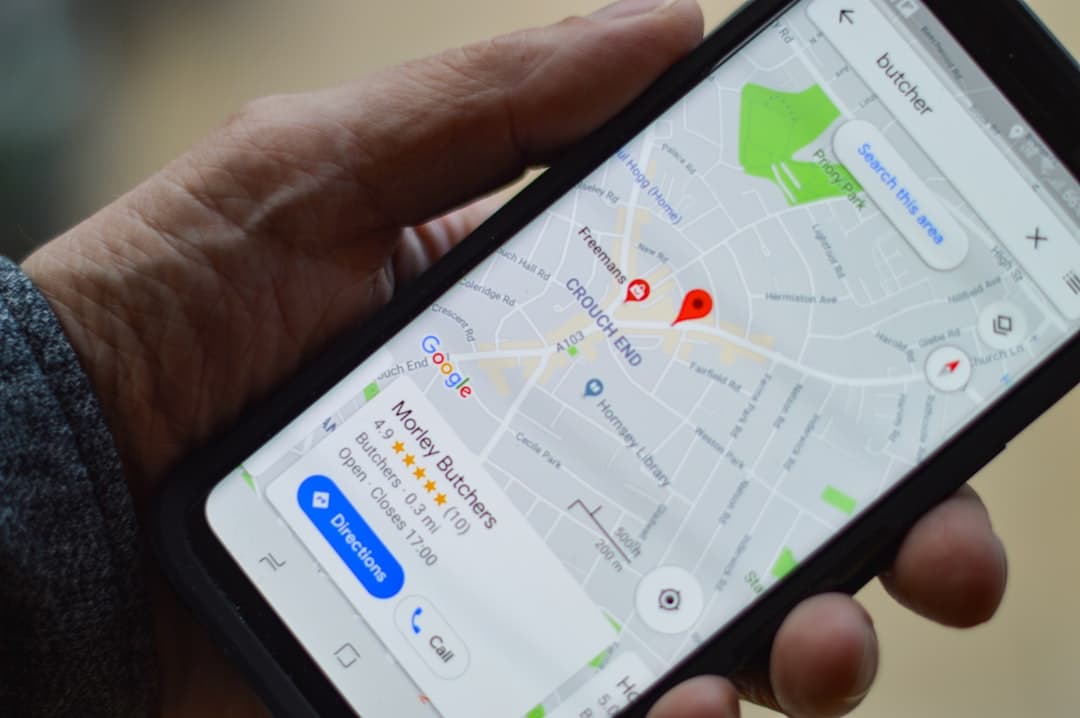
Google Maps Breaks Into South Korea After Decades-Long Data Standoff
Google Maps has secured access to South Korea, eliminating one of the last significant geographic blind spots for the world's dominant navigation platform, according to a report published today in the Financial Times.
The development marks the end of a protracted regulatory battle that has kept Google's mapping service largely non-functional in one of Asia's most technologically advanced economies. South Korea has maintained strict controls over geographic data for national security reasons, particularly given its proximity to North Korea and ongoing military tensions on the peninsula.
For finance leaders at multinational corporations, the breakthrough resolves a persistent operational headache. Companies with operations in South Korea have long needed to maintain separate navigation and location-based systems for the country, complicating everything from logistics management to employee expense tracking. The fragmentation has been particularly acute for firms running global enterprise resource planning systems that integrate location data across markets.
The regulatory approval also signals a potential shift in how South Korea balances security concerns against economic competitiveness. The country has historically required detailed mapping data to remain on domestic servers, a restriction that conflicted with Google's cloud infrastructure model. The terms of the new access arrangement were not disclosed in the FT report, leaving open questions about whether Google agreed to data localization requirements or whether South Korean regulators modified their stance.
The timing is notable given broader geopolitical tensions around technology and data sovereignty. As governments worldwide scrutinize cross-border data flows—particularly involving U.S. tech giants—South Korea's decision to grant Google access could influence similar debates in other markets where the company faces restrictions.
For Google's parent company Alphabet, the South Korean market represents more than symbolic victory. The country's 52 million residents are among the world's heaviest smartphone users, and local competitors like Naver and Kakao have built substantial mapping businesses in Google's absence. Whether Google can now capture meaningful market share against entrenched local alternatives remains an open question, though the company's integration with Android devices provides a structural advantage.
The development also has implications for corporate travel management and the broader "return to office" infrastructure that finance teams oversee. Standardizing on a single global navigation platform simplifies vendor management and reduces the technical complexity of location-based services, from ride-hailing integrations to real-time employee location tracking for duty-of-care obligations.
What remains unclear is whether this represents a one-time exception or a template for resolving similar standoffs in other markets. China, notably, continues to restrict Google Maps, forcing the company and its corporate users to rely on approved local alternatives. If South Korea's security apparatus—among the most cautious in the developed world—found an acceptable accommodation, other countries may face pressure to follow suit.














![[BREAKING] Software Startup Dash0 is in Discussions to Raise Funding at About $1 Billion Valuation](/_next/image/?url=https%3A%2F%2Fwordpress-production-adfc.up.railway.app%2Fwp-content%2Fuploads%2F2026%2F02%2Fhero-a3afb1bd.jpg&w=3840&q=75)



Responses (0 )