Google Moves Robotics Unit Into Core Business, Eyeing $370 Billion Industrial AI Market
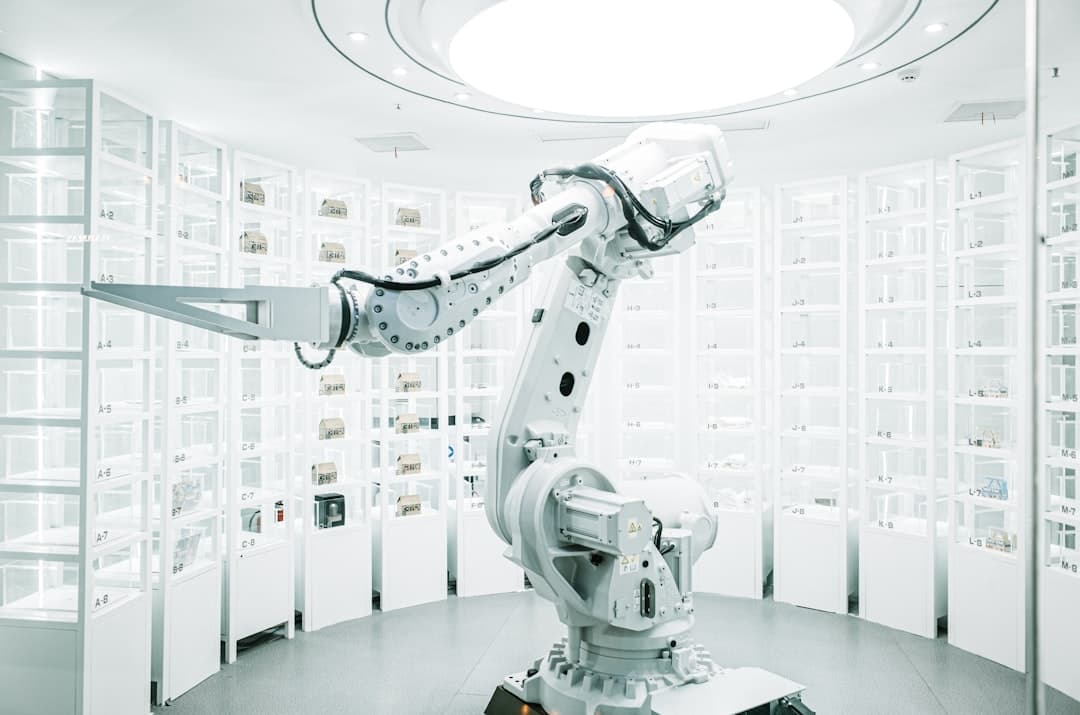
Google is pulling its Intrinsic robotics software unit out of Alphabet's experimental "Other Bets" division and folding it into the main company, signaling a strategic push to replicate its Android smartphone playbook in the industrial robotics sector.
The move, announced earlier this week, positions Intrinsic to work more closely with Google's DeepMind AI lab and cloud infrastructure teams as the company attempts to establish itself as the dominant software platform for factory robots. For finance leaders tracking AI's migration from digital applications into physical operations, the shift marks Google's most concrete bet yet on what McKinsey projects could become a $370 billion market for general-purpose robots by 2040.
"We're trying to make it accessible for anyone," Intrinsic CEO Wendy Tan White told CNBC in an interview last year, articulating a vision that mirrors Google's Android strategy from the smartphone era. Just as Android became the operating system powering devices from Samsung, Motorola, and China's Xiaomi—providing an alternative to Apple's closed iOS ecosystem—Intrinsic aims to provide the software layer that runs across robotic systems from multiple manufacturers.
The company has already secured partnerships with industrial robotics makers including FANUC, Universal Robots, and KUKA, though these names lack the consumer recognition of Google's smartphone partners. All three companies focus primarily on industrial applications, suggesting Intrinsic's initial market is factory floors and warehouses rather than consumer environments.
The competitive landscape includes Amazon, which has been aggressively deploying robots in its fulfillment centers, and Tesla, which has discussed plans for humanoid robots. Both companies have the capital and operational scale to develop proprietary robotics platforms, potentially creating the same iOS-versus-Android dynamic that defined the smartphone wars.
Intrinsic's graduation from "Other Bets"—Alphabet's home for moonshot projects ranging from self-driving cars to life sciences—represents a maturation milestone. Projects typically remain in Other Bets until they demonstrate commercial viability or strategic importance worthy of closer integration with Google's core operations and resources.
The timing coincides with broader industry momentum around "physical AI," as machine learning models trained on digital data increasingly control robots, autonomous vehicles, and manufacturing equipment. For CFOs evaluating AI investments, the question is whether software platforms will commoditize robotics hardware—making the operating system more valuable than the physical machines—or whether integrated solutions from companies like Amazon and Tesla will dominate.
The McKinsey projection of a $370 billion market by 2040 suggests substantial growth from today's industrial robotics sector, though the forecast's assumptions about "general purpose" robots remain speculative. The integration with DeepMind, Google's AI research lab, indicates the company believes its advantage lies in the intelligence layer rather than manufacturing the robots themselves.
What remains unclear is Intrinsic's current revenue or deployment scale, details Google has not disclosed. For a company graduating from experimental status, those metrics will determine whether the Android comparison is prescient or premature.








![[BREAKING] Tether invests $200M in Whop; Robinhood launches $1B fund for pre-IPO investing (TWIF 2/28)](/_next/image/?url=https%3A%2F%2Fwordpress-production-adfc.up.railway.app%2Fwp-content%2Fuploads%2F2026%2F02%2Fhero-21bfcd44.jpg&w=3840&q=75)




Responses (0 )