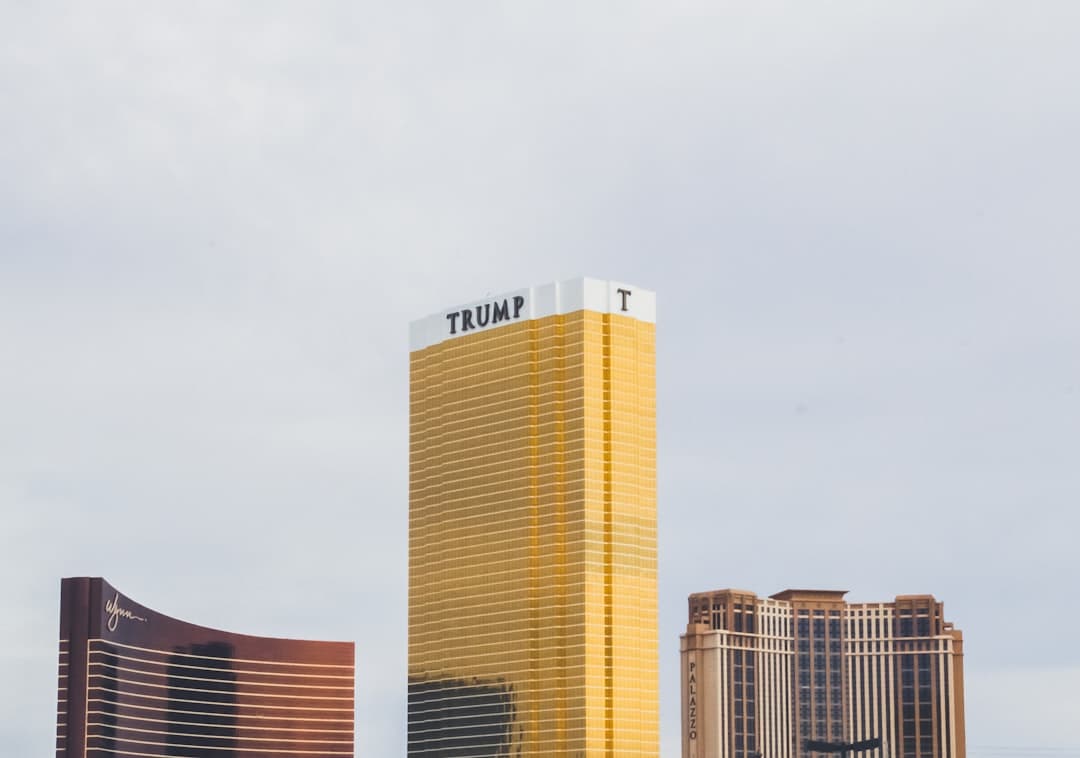
Pentagon Clash Over AI Weapons Policy Triggers Trump Ban on Anthropic
President Donald Trump on Friday ordered all federal agencies to stop using Anthropic's artificial intelligence tools, escalating a weeks-long standoff between the AI startup and defense officials over restrictions on military applications of the technology.
The directive, announced via Trump's Truth Social account, gives agencies a six-month phase-out period—a window that could allow for renewed negotiations between the government and Anthropic. The clash marks an unusual confrontation between a sitting administration and a major AI provider, with implications for how corporate ethics policies intersect with national security procurement.
At the heart of the dispute is the Pentagon's push to eliminate contractual restrictions on AI deployment that Anthropic negotiated when it became the first major AI lab to work with the U.S. military. The Defense Department has sought to change terms of deals struck with Anthropic and other companies last July, replacing specific use limitations with language permitting "all lawful use" of the technology.
Anthropic objected, arguing the proposed changes could enable AI systems to fully control lethal autonomous weapons or conduct mass surveillance on U.S. citizens. The company's resistance drew a sharp rebuke from Trump, who wrote that "the Leftwing nut jobs at Anthropic have made a DISASTROUS MISTAKE trying to STRONG-ARM the Department of War."
The Pentagon maintains it does not currently use AI in the ways Anthropic fears and has stated it has no plans to do so. However, Trump administration officials have signaled opposition to allowing a civilian technology company to dictate military use of what they consider critical infrastructure.
The standoff is particularly significant because Anthropic holds a unique position among AI providers: it is currently the only AI company working with classified government systems. The startup signed a $200 million deal with the Pentagon last year and created several custom models called Claude Gov with fewer restrictions than its commercial offerings. Google, OpenAI, and xAI signed similar agreements around the same time, but none have reached the classified systems integration that Anthropic achieved.
For finance leaders tracking AI procurement, the dispute highlights emerging tensions between vendor ethics policies and government contracting requirements. The six-month phase-out period suggests agencies have become operationally dependent on Anthropic's tools, raising questions about continuity planning when mission-critical AI vendors face political or policy conflicts.
Neither the Pentagon nor Anthropic responded to requests for comment on Friday. The lack of immediate response from either party leaves open whether the six-month window represents a genuine off-ramp for negotiations or a hard deadline for federal agencies to migrate to alternative AI providers.
The outcome could set precedent for how the government negotiates AI contracts going forward, particularly as more companies develop policies restricting certain applications of their technology. For CFOs at defense contractors and AI companies, the standoff underscores the risk of building business models dependent on government contracts while maintaining use restrictions that may conflict with evolving military requirements.
















Responses (0 )