
China's Dairy Giant Outpaces Tech Firms in Bond Markets as Industry Lines Blur
Inner Mongolia Yili Industrial Group, China's largest dairy producer, has emerged as the country's top technology-sector bond issuer this year—a designation that says less about Yili's milk production and more about how Beijing's industrial policy is reshaping corporate finance categories.
The development highlights a peculiar accounting reality for CFOs navigating Chinese capital markets: sector classifications increasingly reflect government priorities rather than actual business operations. For finance leaders at multinationals operating in China, it's a reminder that the rulebook keeps getting rewritten mid-game.
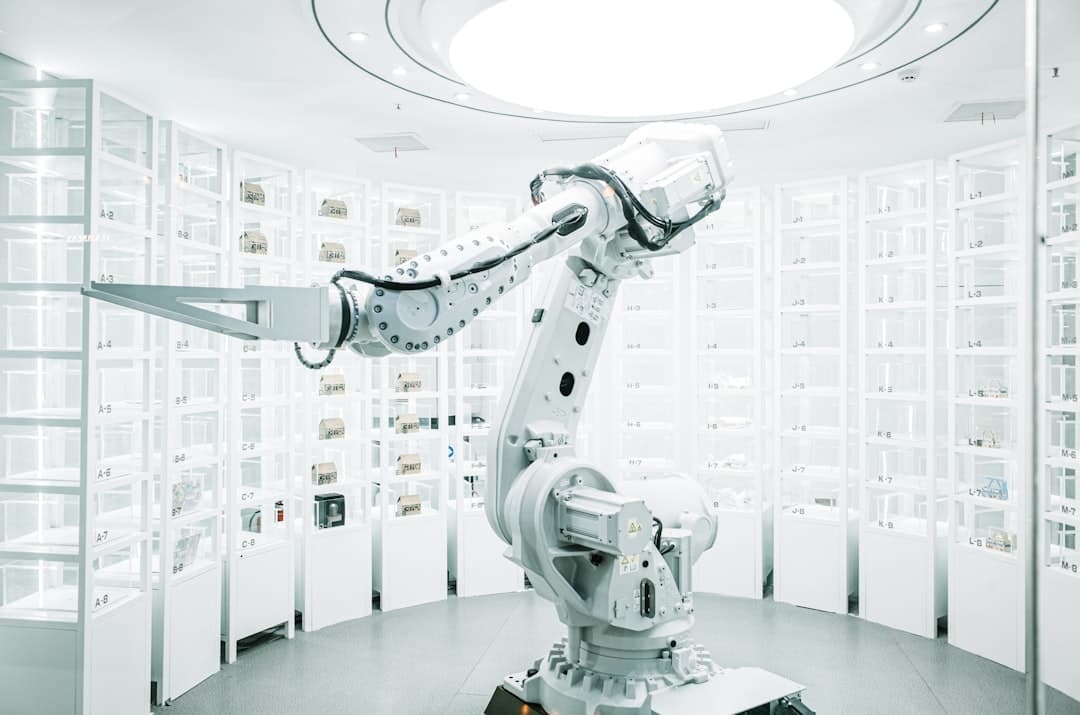
Yili's bond issuance leadership stems from its classification under China's "tech" umbrella, a category that has expanded dramatically to include advanced manufacturing and automation-heavy industries. The company operates what it calls a "Global Intelligent Manufacturing Industrial Park" in Hohhot, Inner Mongolia—dairy production lines equipped with the kind of automation and data systems that apparently qualify it for tech-sector treatment under current Chinese regulatory frameworks.
The classification isn't entirely absurd if you squint at it the right way. Modern food production at scale involves supply chain optimization algorithms, IoT sensor networks for quality control, and the kind of manufacturing execution systems that would make a semiconductor fab jealous. (Whether that makes it a "tech company" in any meaningful sense is a different question, but here we are.)
What makes this noteworthy for finance leaders isn't the semantic debate—it's what it signals about capital allocation in Chinese markets. Tech-sector bonds often carry different regulatory treatment, investor appetite, and pricing dynamics than traditional consumer goods debt. If Yili can access tech-sector funding costs while operating dairy facilities, that's not a trivial advantage.
The broader pattern is one CFOs have been tracking for several years: China's industrial policy goals increasingly override traditional sector boundaries. The government's push toward "intelligent manufacturing" and automation means companies in decidedly non-tech industries can access tech-sector capital if they check the right boxes on modernization and automation.
For Western finance leaders, this creates a peculiar competitive dynamic. A U.S. or European dairy company would never dream of marketing itself as a tech firm to bond investors—the laughs from the roadshow would be audible from space. But in China's policy-driven capital markets, the lines are genuinely blurrier, and the funding advantages potentially real.
The question going forward is whether this classification flexibility represents genuine industrial transformation or creative financial engineering. Yili's automated production lines are real enough, but so is the fact that at the end of the day, the company is still selling milk. The bond markets, apparently, have decided that how you make the milk matters more than what you're making.















Responses (0 )