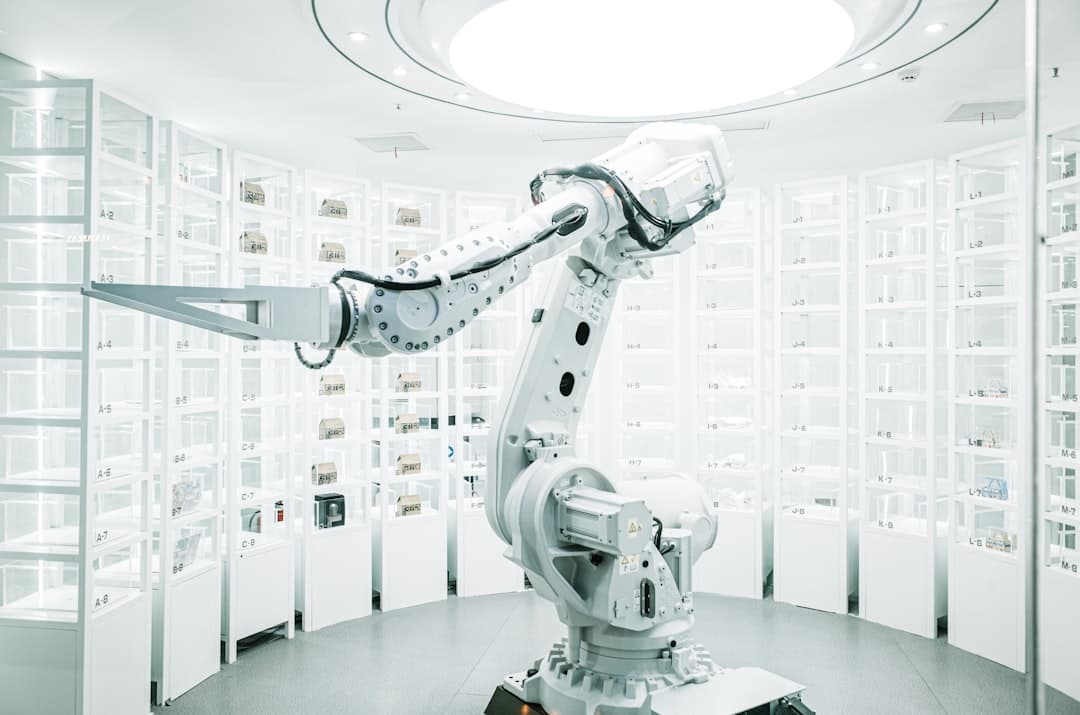
Honor Unveils Humanoid Robot and AI Phone Interface in Barcelona Tech Push
Chinese smartphone maker Honor Device Co. demonstrated a humanoid robot and AI-powered phone interface at a Barcelona event on March 1, marking the company's latest attempt to differentiate itself in a crowded mobile market through artificial intelligence capabilities.
The demonstrations, which took place at what appears to be the Mobile World Congress trade show, represent Honor's broader pivot toward AI-driven features as smartphone manufacturers worldwide scramble to justify premium pricing through machine learning capabilities. For finance leaders tracking capital allocation in the consumer electronics sector, the move signals how former Huawei subsidiary Honor is positioning itself against both domestic Chinese rivals and established global players.
Here's the thing everyone's missing: Honor isn't just showing off party tricks. The company is making a bet that the next battleground in smartphones isn't camera megapixels or screen refresh rates—it's whether your phone can actually do things without you touching it. (Whether that's what consumers actually want is, well, the billion-dollar question.)
The humanoid robot demonstration suggests Honor is exploring hardware beyond traditional smartphones, though the company provided no details on commercial availability, pricing, or intended use cases. The "robot phone demo" reference indicates some form of AI agent that can operate the phone autonomously, though specifics remain unclear from the Barcelona presentation.
This matters for CFOs in two ways. First, it's a window into how Chinese tech companies are responding to the global AI arms race—not with foundation models or cloud infrastructure, but with consumer-facing hardware that promises to make AI tangible. Second, it's a test case for whether AI features can actually move units and justify R&D spend, or whether they're expensive science projects that look great in demos and terrible in quarterly earnings.
The timing is notable. Honor is demonstrating these capabilities at a moment when the smartphone market remains under pressure, with consumers holding onto devices longer and questioning whether incremental upgrades justify replacement costs. AI features represent one of the few potential catalysts for a refresh cycle, but only if they solve actual problems rather than creating new ones.
What we don't know—and what matters most—is the cost structure. Building humanoid robots and sophisticated AI interfaces requires significant capital investment. Honor hasn't disclosed development costs, expected margins, or go-to-market strategy. For a company that operates independently from Huawei but still faces questions about its supply chain and market access, these aren't trivial concerns.
The Barcelona demonstration also raises questions about Honor's AI capabilities relative to competitors. Apple, Samsung, and Google have all announced AI-powered phone features, while Chinese rivals like Xiaomi and Oppo are pursuing similar strategies. Whether Honor's approach represents genuine differentiation or feature parity dressed up in a robot suit remains to be seen.
The key question for finance leaders: Is this innovation or desperation? The answer probably depends on what Honor announces next—specifically, whether these demos translate into shippable products with defensible margins, or whether they join the long list of trade show spectacles that never make it to market at scale.














Responses (0 )