Lenovo Unveils Modular Laptop Prototype as PC Makers Chase Hardware Flexibility
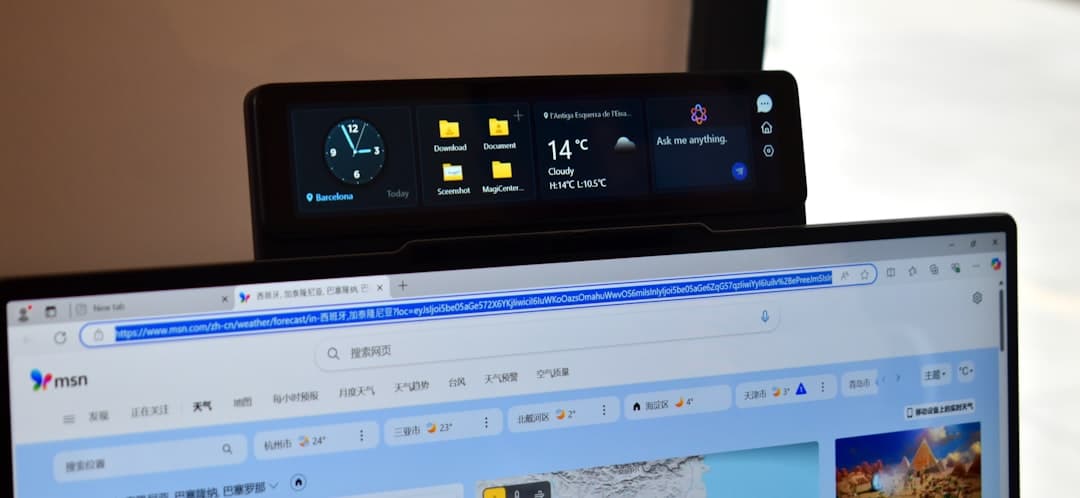
Lenovo Group showed off experimental laptop designs at Mobile World Congress 2026 in Barcelona this week, including a modular notebook with detachable components and a foldable gaming handheld—the latest sign that PC manufacturers are hunting for new form factors as traditional laptop sales plateau.
The modular laptop concept features multiple components that can be removed and swapped, according to Bloomberg Technology, though the company hasn't disclosed which parts are interchangeable or whether the design will reach production. A separate prototype pairs gaming controls with a foldable screen, targeting the handheld gaming market currently dominated by Valve's Steam Deck and Nintendo's Switch.
For finance chiefs at hardware companies, the prototypes represent a familiar tension: the need to demonstrate innovation to investors and retail partners while managing the brutal economics of actually manufacturing novel devices. Modular laptops have been pitched periodically for over a decade—Google's Project Ara smartphone, Framework's repairable notebooks—but none have achieved mainstream adoption, largely because the engineering complexity drives up costs faster than customers will pay premiums for flexibility.
The timing is notable. PC shipments have been essentially flat since the pandemic buying spree ended, and manufacturers are under pressure to show they can do more than incrementally refresh the same clamshell designs. Lenovo, the world's largest PC maker by volume, has particular reason to experiment: its core business is selling millions of ThinkPads to enterprises at thin margins, which means any successful premium product line carries outsize importance to operating income.
The foldable gaming handheld is arguably the more pragmatic bet. The handheld gaming market has actual momentum—Valve reported the Steam Deck generated over $1 billion in sales through 2024, and Microsoft is rumored to be developing its own Xbox handheld. A foldable screen could theoretically offer a larger display in a pocketable form factor, though it would also introduce the durability concerns that have plagued foldable phones.
The modular laptop, on the other hand, faces a more fundamental question: do customers actually want modularity, or do they just want laptops that don't become obsolete? Framework has found a niche selling laptops with replaceable ports, RAM, and storage to developers and IT departments focused on sustainability metrics, but it remains a tiny player. Lenovo's version would need to either target that same sustainability-conscious segment or find a way to make modularity compelling to mainstream buyers who currently just replace their laptops every three to four years.
Neither concept has a announced ship date or pricing, which is standard for MWC prototypes. The real tell will be whether Lenovo's CFO mentions either device on earnings calls this year—or whether they quietly disappear, like most concept hardware shown at trade shows.
What finance teams should watch: whether any major PC OEM commits serious capital expenditure to retooling manufacturing for modular designs. Until then, these are expensive marketing exercises, not product roadmaps.

















Responses (0 )