
Bavaria's 19th-Century Arms Legacy Fuels Modern Defense Tech Boom in Munich
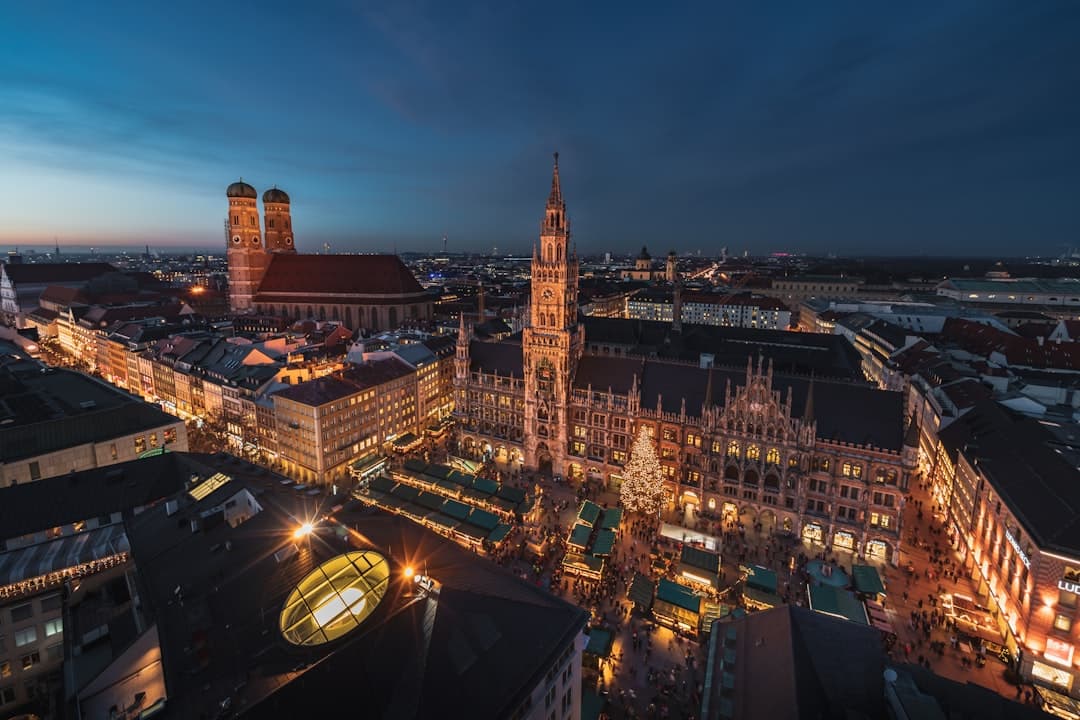
Munich has emerged as an unexpected hub for defense technology startups, drawing on Bavaria's deep historical roots in arms manufacturing that stretch back to the 19th century.
The resurgence represents a notable shift in Europe's defense industrial base, as venture capital and entrepreneurial talent flow into a sector that spent decades in the shadows of consumer tech. For CFOs at defense primes and their suppliers, Munich's rise signals potential competition for engineering talent and a new generation of nimble competitors unburdened by legacy cost structures.
Bavaria's arms manufacturing heritage—dating to the 1800s—is now providing institutional knowledge and supply chain infrastructure that modern defense startups are leveraging to build everything from autonomous systems to next-generation munitions. The region's historical expertise in precision engineering and industrial manufacturing has translated into a technical workforce familiar with the exacting standards defense contracts demand.
The timing is hardly coincidental. European defense spending has accelerated sharply since 2022, creating both demand signals and political cover for entrepreneurs entering a sector that was, until recently, viewed as politically fraught and capital-intensive. Munich's particular advantage lies in its combination of technical universities, established aerospace companies, and now a growing ecosystem of founders who see defense tech as both commercially viable and strategically necessary.
For finance leaders, Munich's defense startup scene presents a microcosm of broader trends reshaping the sector's economics. These companies typically operate with venture-style burn rates while pursuing government contracts with 18-24 month sales cycles—a cash flow profile that requires either patient capital or creative financing structures. The region's historical manufacturing base means these startups can often prototype and iterate faster than their counterparts building from scratch in other European cities.
The development also raises questions about how traditional defense contractors should respond. Do they acquire these startups early, partner with them, or risk being outmaneuvered by more agile competitors? The answer likely depends on whether Munich's defense tech ecosystem can scale beyond prototypes into production—a transition that has proven treacherous for defense startups globally.
What remains unclear is whether Bavaria's 19th-century legacy provides a durable advantage or merely a head start. As other European cities rush to build their own defense tech clusters, Munich's challenge will be converting historical credibility into sustained commercial success.















Responses (0 )